
Gildan 5000 vs 64000: Heavy Cotton or Softstyle?
← All apparel buying & printing guides
Start with fabric weight and the kind of T-shirt you want to wear. The Gildan 5000 Heavy Cotton is the heavier option in this pair; the 64000 Softstyle uses lighter ring-spun cotton. Your chosen color, fit and print process matter as much as the model name.
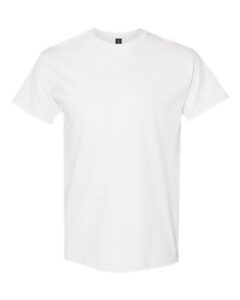
Gildan 5000
Heavy Cotton
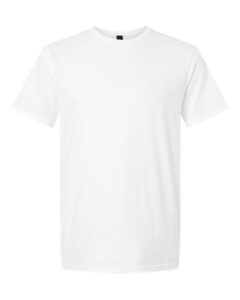
Gildan 64000
Softstyle
Both bars use the same 0–6 oz./yd² scale. Fabric weight is not a quality or softness score.
Gildan 5000 vs 64000 at a glance
| What to compare | 5000 Heavy Cotton | 64000 Softstyle |
|---|---|---|
| Fabric weight | 5.3 oz./yd² | 4.5 oz./yd² |
| Base fabric | 100% cotton; check color exceptions | 100% ring-spun cotton; check color exceptions |
| Manufacturer fit | Classic fit | Modern classic fit |
| Collar | Classic-width rib collar | Narrow-width rib collar |
| Shared details | Taped neck and shoulders; tear-away label | Taped neck and shoulders; tear-away label |
Choose the blank around your project
Start with the 5000 for a heavier everyday tee
Consider it for event shirts, staff tees or merchandise when your brief favors more fabric weight. The word “Heavy” is a product-line name: it does not prove longer wear or less shrinkage than the other style. Compare a sample with the feel and fit you want.
See 5000 colors, sizes and current pricingStart with the 64000 for a lighter ring-spun option
Consider it when your brief favors a lighter tee and ring-spun fabric. Softstyle is a useful starting point for that choice, rather than a guarantee that every wearer will prefer it. Check the selected blend and a physical sample before choosing for a whole group.
See 64000 colors, sizes and current pricingFit: compare measurements, not just the size label
B · Body length Measure from high shoulder to hem. Follow the product chart’s instructions.
Classic and modern classic are the manufacturer’s fit descriptions. They do not tell you to automatically size up or down. Lay a T-shirt you like flat, measure its chest width and body length, and compare those measurements with each product’s size chart. Do not treat laid-flat chest width as a body circumference.
For team orders, collect each person’s size and check that your chosen color offers the combinations you need. If switching models for a repeat order, confirm the fit again rather than assuming the same letter size will give the same result.
Color can change the fabric blend
Neither model is all-cotton in every color. For example, Sport Grey is listed as 90% cotton / 10% polyester on both. Graphite Heather is listed as a 50/50 blend on both, while many other 64000 heathers have a higher polyester content. Use the product details for your exact shade rather than applying the base-fabric row to every swatch.
Similar color names across the two styles do not guarantee a physical match. If matching existing garments or a brand palette matters, compare samples before ordering.
Printing: choose the process after the color and fabric
Discuss the actual blend with your decorator before choosing screen-printing inks, DTG pretreatment or transfer settings. A process intended for an all-cotton solid may need adjustment on a polyester-containing heather. For heat-applied decoration, test adhesion and dye migration using the intended garment color and transfer instructions.
Use a sample to check artwork size, placement and the finished result before producing a run. We have not performed a side-by-side print, wear or wash test for this guide; the advice here combines published specifications with practical ordering considerations.
Price: compare the same color, size and order
There is no fixed price winner in this guide. Supplier changes, sale prices, size choices and the applicable bulk tier can change the comparison. Open both product pages and compare the same selection and planned blank-apparel subtotal. Separate blank garment costs from printing and shipping when setting your project budget.
Common buying questions
Which one is softer?
The 64000 is the ring-spun option in this comparison. That is a useful distinction when softness is part of your brief, but perceived feel also depends on the color blend and the wearer. A sample is the best way to make that decision for your project.
Will either shirt shrink?
Do not assume zero shrinkage from either model name. Follow the garment care label and test the fit after your intended laundering process if consistent sizing is important to the order.
Which should I choose for custom shirts?
Choose the weight and fit first, confirm the available color and size combinations, then have the decoration method checked for that fabric. Neither model is a universal winner for every design or print process.